What live events taught me about delivery and operations
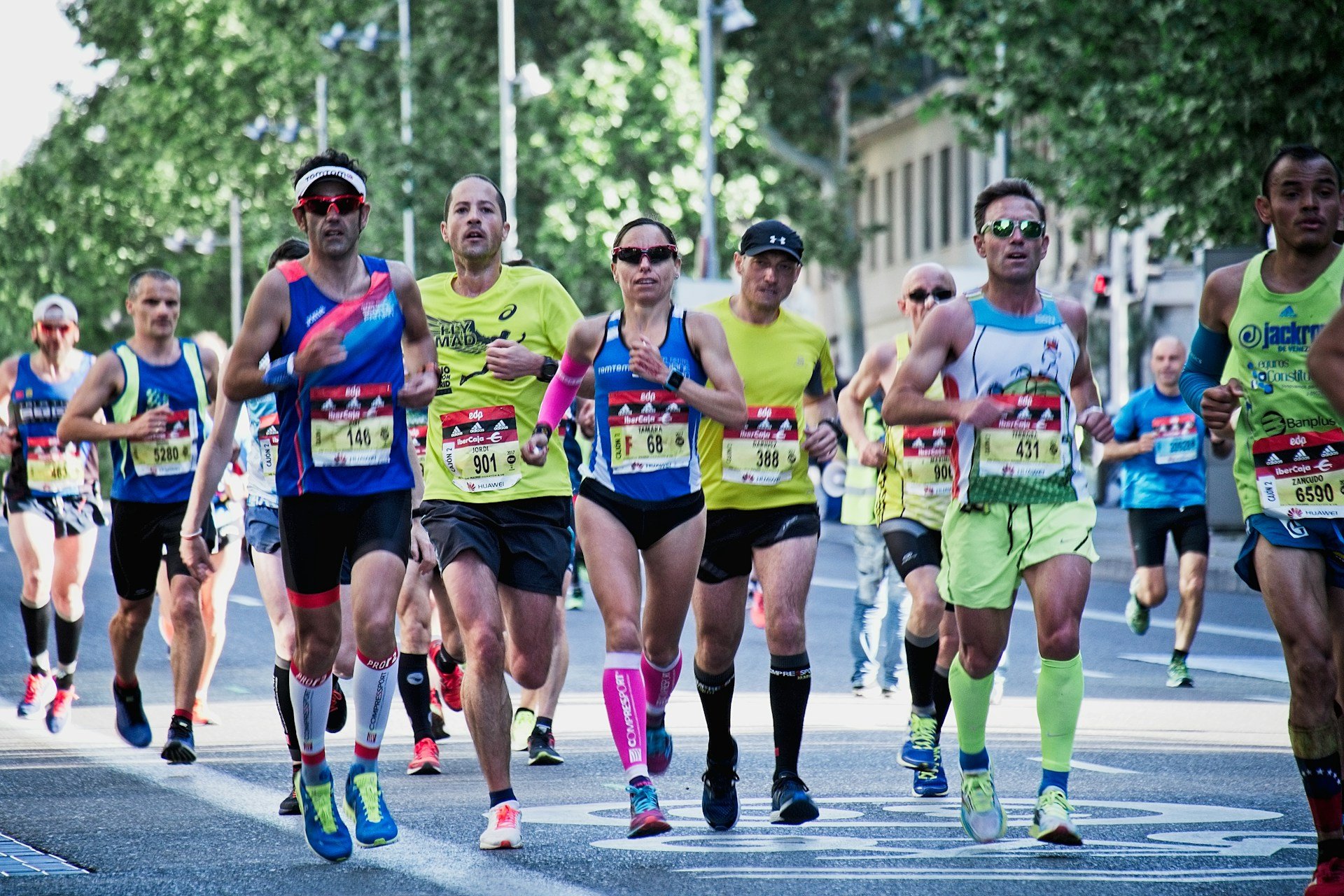
Photo by Miguel A Amutio on Unsplash
Sunday, 5:30am. City centre, roads closed. The control tent is going up and we’re placing the last signs. I’m on a bicycle doing a full lap, checking every arrow still points where it should.
If one sign is wrong, you don’t get a “minor issue”. You get runners turning up in the wrong place, marshals getting shouted at, and everyone wondering what’s going on.
Which is to say: it’s a delivery problem. Just with more hi-vis.
I’ve been working in events recently. It wasn’t a grand career pivot. It kind of… happened. Tech has been bumpy, and I needed to fill the gaps, so I started saying yes to event work.
It’s been a mix of loading vans in the middle of the night, all the way up to being course director for a 10k run. And it’s taught me a lot about delivery.
The weekend
It was a 10k running event. Two days of set-up and execution, with lots of moving parts.
Saturday was mostly prep: arrive mid-morning, briefing, set up the control tent, then walk the course with a sack truck of signage and cable ties. Cover cattle grids, tie gates open, place bollards, and mark pinch points while you’ve got daylight and a calm head.
Sunday starts early. Final signs up, then a full route check to make sure everything still makes sense end-to-end. Bollards out, closures in, teams ready.
Then the race starts, and you’re dealing with whatever pops up. A lorry stops in the only open lane. An angry bloke in a Porsche tries to squeeze around it and nearly takes you out.
You feel the stress spike. Then you remember why you briefed, why you’ve got sector leads, and why everyone knows who owns what.
By the end: signs down, bollards in, cable ties cleaned up, van repacked. When we left site, it was like nothing had happened.
Why it ran smoothly
There are loads of moving parts in live events: road closures, marshals, traffic control, security, medical, volunteers, permits, risk assessments.
The reason the day itself felt calm is simple. Planning happened up front, everyone knew their role, and when something went wrong, it was already clear who owned it.
If you skip that, you don’t “move faster”.
You just push the pain into the day itself.
The parallel to digital work
This is the same pattern I see in agencies and product teams.
If you rush the planning and hope you can “figure it out as you go”, you’ll be reacting the entire time.
But if you put the groundwork in early:
- roles and responsibilities are clear
- the process can handle change
- risks are known and planned for
- incidents get dealt with quickly (because ownership is clear)
The work still has surprises.
It just doesn’t turn into chaos.
The bits I’m stealing from event ops
I’ve been surprised by how transferable the best parts are. The teams that run events well don’t feel calm because they’re lucky. They feel calm because they’re deliberate.
1) If nobody owns it, it doesn’t happen
Events are full of named owners — traffic control, medical, marshalling, start line, finish line, control tent. If something goes wrong, there’s no group shrug. Someone owns it, and everyone else knows who that is.
Most “delivery chaos” is the opposite: everyone is involved, so nobody is responsible.
2) The walk-through beats the plan
You can write the perfect route plan on paper.
Then you walk it and realise a sign is hidden behind a tree, or the turn doesn’t read clearly at runner-speed.
That’s backlog refinement in real life. It’s not about adding process. It’s about catching reality before reality catches you.
3) Pinch points are predictable
Events people talk about pinch points constantly: narrow paths, road crossings, cattle grids, tight turns, spots where the public will try to cut through.
In delivery, the pinch points are just less physical:
- approvals
- handovers
- “we’ll figure it out later” dependencies
- one person who holds the context
If you don’t name them, you end up surprised by the most predictable problems on earth.
4) Checklists beat heroics
On the day, you’re not “being creative”. You’re running a playbook. Because nobody wants a clever event — they want a safe one that works.
Same with launches, handovers, and client delivery. The goal isn’t a dramatic story. It’s a boring one.
5) Clear comms stops the panic spiral
At an event, there’s a control tent and known channels. That doesn’t mean nothing goes wrong. It means when something does go wrong, it doesn’t turn into 12 side conversations and three different versions of the truth.
Most teams don’t need more meetings.
They need fewer channels and clearer escalation rules.
6) Safety plans are risk registers with consequences
Permits, council approvals, risk assessments… it all sounds heavy until you’ve watched a few hundred people sprint towards a decision you made.
You don’t “hope” the risk doesn’t happen. You plan for it. You decide who owns it. You decide what you’ll do if it happens.
That’s exactly what a good delivery team does with risk.
7) Back markers matter (definition of done)
In a race there’s a back marker following the last runner. Road closures reopen behind them.
That’s closure built into the system.
If you don’t have an equivalent in delivery, work lingers. Projects never quite end. Invoicing drifts. Loose ends become background stress.
If you won’t define what “done” means, you’re choosing drag.
Steal this: a 10-minute kickoff brief
If you want one simple thing to take from events into your next project, make it this.
Ten minutes before you start, cover:
- roles: who owns what (names, not teams)
- route: how the work moves end-to-end (where handovers happen)
- pinch points: where it’s likely to wobble
- risks: the top 3 things that could derail it
- escalation: what happens when it breaks, and who decides
- definition of done: what “finished” means, and what closure looks like
You’ll still hit issues.
You just won’t hit them blind.
Why “good boring” builds reputation
The best events feel smooth. People show up, they know where to go, they have a good time, they go home.
Behind the scenes, the crew are tired… but calm.
That’s the goal in delivery too. Not because boring is the aim — because boring is what you get when ownership is clear, the plan is grounded, and the team isn’t relying on heroics.
A simple test for your next project
Before you start the next thing, pause and ask:
- What are the obvious pinch points?
- What can realistically go wrong?
- If it does, who owns fixing it?
If you can answer those up front, the work gets calmer.
Not perfect.
But calmer.
And the outcome is better for everyone involved.