Good boring: why the best-run things often look unimpressive
I worked on a team in charge of a 10k charity run on Sunday. The run went well for one simple reason.
Nothing much happened.
Around 7,000 runners moved through Oxford on closed roads. Volunteers were in place. Water was ready. The route was marked. The day passed without the kind of incident that makes everyone’s stomach drop.
That might not sound like much.
It is.
When you’re dealing with thousands of runners, road closures, cyclists, drivers, pedestrians, volunteers, marshals and the general public, “nothing much happened” is not luck.
It is the outcome.
I was part of the events team this year. My role was to help get the course ready, put signage out, check key points, and ride ahead of the runners on my bike to make sure the route was clear.
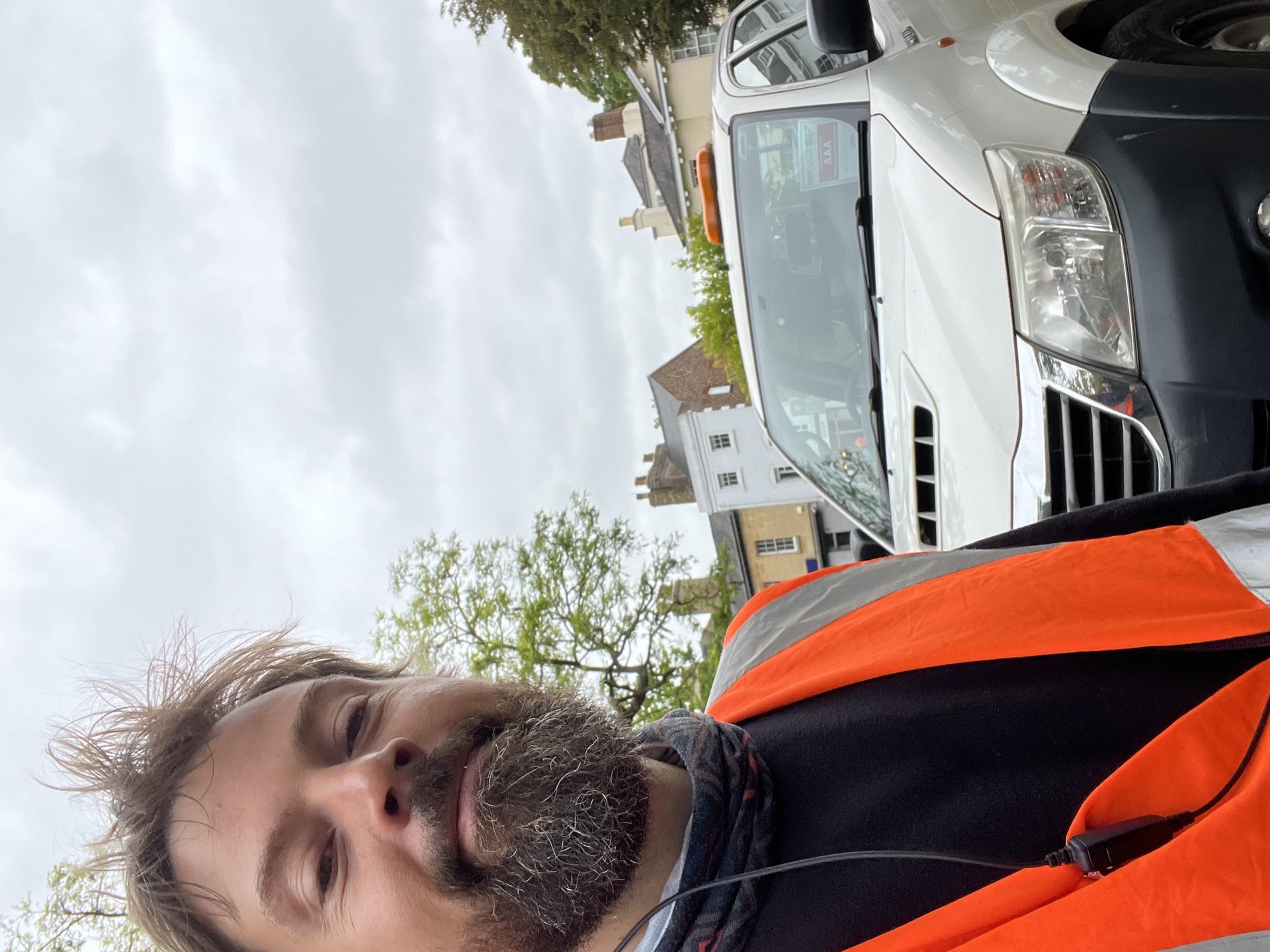
It is the sort of work that disappears when it is done well.
Nobody turns up to an event and says, “Lovely bit of signage placement there.” They just follow the route.
Nobody notices the water station that has enough water. They notice the one that runs out.
Nobody cares that there are more people on hand than strictly needed. Until something goes wrong.
That is the strange thing about preparation. When it works, it often makes itself invisible. The day feels simple from the outside. The runners start. The road is closed. The marshals know where to stand. The course is clear. The finish line is waiting.
Easy.
Except it only looks easy because a lot of people had already done the less exciting work.
The route had been thought through. Feedback from previous years had been used. There was enough water. There were enough people. Signs had gone out early. Road closure points had been checked. The plan had enough flex in it to cope with real life.
That last bit matters.
Good planning is accepting that something probably will go wrong, then reducing the chance that it becomes everyone’s problem.
On the day, I had a couple of reminders of that.
One driver came up to the edge of the course and wanted to get through a closure. He was frustrated, understandably. He had somewhere to be, and the route he expected to use was no longer available.
I explained that the course would reopen later, but the road behind him had also closed. There was no quick way through. He would have to wait.
Not ideal. But he accepted it.
Later, a cyclist tried to cross the course. His friend was on the other side of the road, and he was not happy when I told him he could not cross there.
From his point of view, it was probably one quick crossing. One bike. One small gap. One person trying to get to someone he knew.
From my point of view, there were 7,000 runners coming through. That is the part people often miss when they are focused on their own inconvenience.
Their exception feels tiny. The risk it creates is not.
I told him I was doing it for everyone’s safety. I was not the police. I could not physically stop him. But the road needed to stay clear.
He crossed anyway, then moved out of the way.
It was fine. But “fine” can be a very thin line.
A little less space, a little worse timing, one more person making the same decision, and suddenly a small act of selfishness becomes a problem for someone else to manage.
That is why the boring work matters.
The signs, the checks, the spare people, the water, the early start, the repeated instructions, the person standing at the edge of a closed road explaining the same thing for the fifteenth time.
None of it feels especially impressive in isolation.
Together, it keeps the day intact.
This is the bit I have been thinking about since.
We are much better at valuing rescue than prevention. The person who fixes the crisis gets thanked. The person who stopped the crisis happening in the first place often looks like they were just being fussy.
That shows up everywhere: events, projects, client work, operations, leadership, teams.
A project rescued at the last minute often looks heroic. A project that never needed rescuing can look ordinary. That is a problem, because it means we end up rewarding the wrong behaviour.
We celebrate the late-night save, but ignore the person who asked three weeks earlier whether anyone actually owned the work. We praise the founder who jumps into the client call and smooths everything over, but miss the fact that the system failed before the call ever happened. We admire the team that “pulled it out of the bag”, without asking why the bag was on fire in the first place.
This is how firefighting becomes culture. Not through one big decision, but through lots of small signals that say drama matters more than discipline.
The work that goes into prevention doesn’t look exciting. It sounds like dull questions: Who owns this? What happens if they are off? Has the client seen it? What does this mean here? Where is this likely to break first? Do we have enough people? What is the plan if this goes wrong?
These questions can make you unpopular in the moment. They slow down the rush, remove some of the theatre, and force people to admit that enthusiasm is not a plan.
But they are usually cheaper than finding out the answers when you are in the heat of battle.
That was the lesson from Sunday.
The event did not feel calm because there was no risk. It felt calm because the risk had been taken seriously early enough.
That is a different standard, and one more teams should care about.
Not over-planning. Not process for the sake of process. Not turning every simple task into a 19-tab spreadsheet and a meeting nobody wants. Just enough care before the pressure arrives.
Enough clarity that people know what they are doing. Enough ownership that decisions do not float around waiting for the busiest person to catch them. Enough spare capacity that one wobble does not become a collapse. Enough honesty to admit where things might go wrong before they do.
That is what good operations often look like.
Not dramatic. Not flashy. Not something people always notice. Just a series of sensible decisions that make the day feel calmer than it had any right to feel.
Good boring is what happens when people care early enough for the important stuff to work under pressure - not a lack of ambition.